National Museum of Egyptian Civilization: History & Royal Mummies
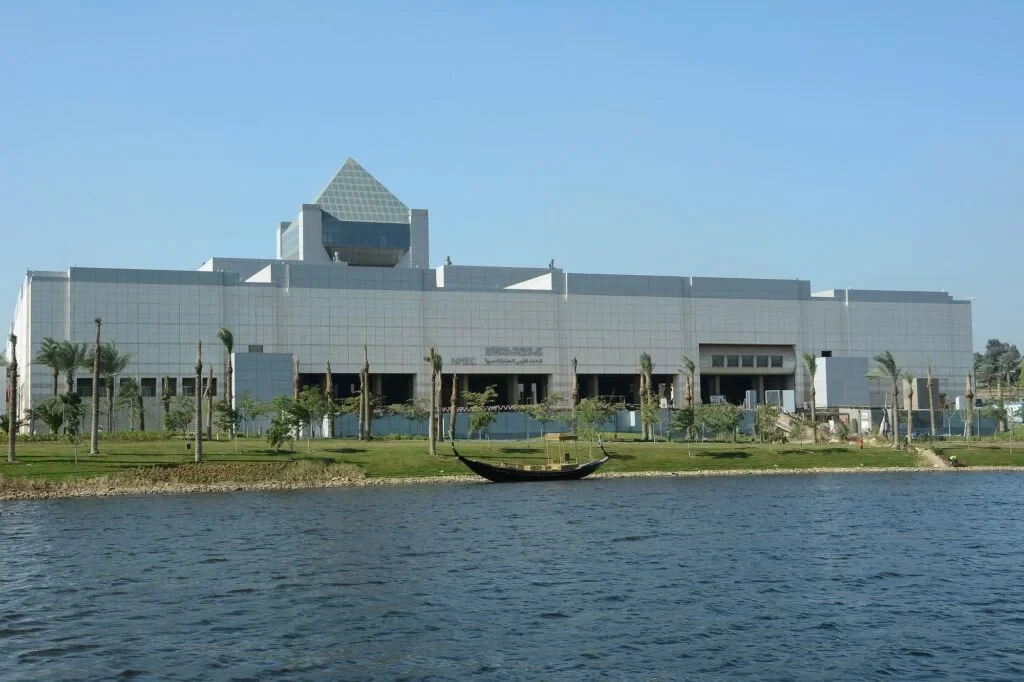
The National Museum of Egyptian Civilization (NMEC) is one of Cairo’s most important cultural attractions, giving visitors this sort of journey through Egypt history, from ancient times to the modern era. It’s based in historic Fustat, and the museum shows Egyptian civilization with an extensive set of archaeological and cultural items, the kind you can actually stay and look at for a while.
One of the places people talk about most is the Royal Mummies Gallery where visitors get to see preserved remains of several ancient Egyptian kings and queens. And beyond that, the museum also brings forward artifacts that represent different periods of Egyptian history, providing a fascinating look at the country’s cultural development.
So with its modern galleries, thoughtfully presented collections, and that historic location in the background, the National Museum of Egyptian Civilization feels like a great stop for travelers who want to understand Egypt beyond pyramids and old temples.
The National Museum of Egyptian Civilization: Discover Egypt’s History
The National Museum of Egyptian Civilization (NMEC) is one of the top cultural places in Cairo, it really gives visitors a kind of strange but great journey through thousands of years of Egyptian history. Situated in the old quarter of Fustat, the museum pulls together artifacts from multiple periods of Egyptian civilization into a modern, but still pretty captivating destination.
You can start with ancient Egyptian treasures, then move toward to the famous Royal Mummies, the museum gives travelers a deeper understanding of Egypt’s culture, traditions, and historical development.A Cairo day tour is a great way to include the museum in your sightseeing itinerary.
What Is the National Museum of Egyptian Civilization?
the National Museum of Egyptian Civilization is one of those big archaeological and cultural places in Cairo that tries to tell the full, long narrative of Egyptian civilization. It’s basically built to help visitors see how everything connects, from far older times to more recent chapters, not just one single scene.
Instead of concentrating mostly on the pharaonic age, the museum takes in a broad span of historical times. You will find ancient Egypt, then the Greco-Roman period , after that Coptic Egypt, then Islamic Egypt, and modern Egyptian history.
Its collections include statues, pottery, jewelry, textiles, religious objects, tools, and other artifacts that demonstrate how Egyptian society changed and developed over thousands of years.
Where Is the National Museum of Egyptian Civilization?
The museum is in Fustat, in Old Cairo, which is a historic zone people often describe as one of the first important urban areas of Islamic Egypt. It also has a lot of archaeological and religious landmarks nearby, so you can kind of blend museum time with walking around the area.
Because of that, NMEC works really well as a part of any Cairo sightseeing plan, particularly if you’re the type who enjoys the city’s historical side.
The Royal Mummies Gallery
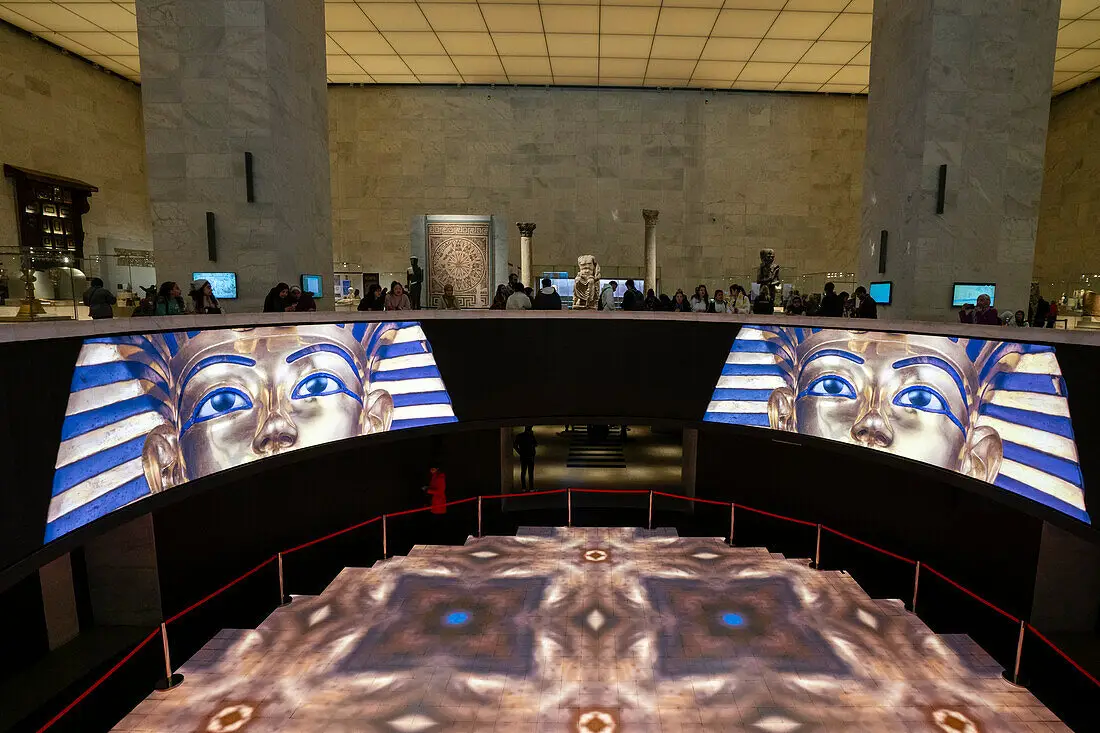
One of the biggest highlights of the National Museum of Egyptian Civilization is this Royal Mummies Gallery.
The gallery holds mummies from several well known ancient Egyptian rulers and queens. When you see these remarkably preserved remains it feels like you’re getting a rare, direct link to the people who ruled Egypt thousands of years ago.
The exhibition also explains ancient Egyptian beliefs about death, burial, preservation, and the afterlife.
For a lot of travelers , the Royal Mummies Gallery ends up being the most memorable piece of their trip to NMEC.
What Can You See at the Museum?
The National Museum of Egyptian Civilization has a pretty impressive range of collections, so visitors can wander through history and culture, traditions, and everyday life in Egypt for thousands of years. It doesn’t really lock itself to one single time period, instead it shows how Egyptian civilization grew through multiple eras.
Ancient Egyptian collections
You’ll find a compelling set of items from ancient Egypt, like statues, jewelry, pottery, tools, religious pieces, and other archaeological treasures.
These objects give a sort of direct view into how daily routines worked, what people believed, which traditions stayed important, and what they managed to achieve. With them, visitors can understand how people lived, worked, worshipped, and expressed their artistic creativity thousands of years ago.
Royal Mummies
The Royal Mummies Gallery is one the most important and popular attractions inside the museum. Here you can see preserved remains of different ancient Egyptian kings and queens.
While you’re there, you get to learn about how famous pharaohs lived, and how their reigns worked, but also you start noticing the beliefs around death. Not just death in general, but mummification , burial customs, and what people thought about the afterlife .
The gallery offers a unique opportunity to see the remains of ancient Egyptian royalty in a carefully designed exhibition environment.
Egyptian Textiles and Traditional Crafts
There’s also an important section featuring Egyptian textiles and traditional crafts. This part of the museum collections shows the creativity and practical know-how of Egyptian artisans across multiple historical periods.
Guests can look at examples of weaving, decorative designs, clothing, and various hand made objects. They tend to reflect Egypt’s cultural artistic heritage.
These collections also demonstrate how traditional crafts became an important part of Egyptian culture and everyday life.
Coptic Heritage
The museum also goes into Egypt’s Coptic heritage a bit, showing objects and relics that are tied to the Christian story in Egypt. You can see artifacts, and other items , that help place this chapter in a wider view.
These holdings let visitors grasp how Coptic culture grew over time, including religious traditions, visual art, and the careful workmanship behind them. At the same time, they show how outside cultural streams or influences slowly became part of Egypt’s long and varied history.
Islamic Heritage
Then the Islamic heritage collection takes you toward one more major chapter in Egyptian history . The exhibits include items that clearly reflect Islamic art, craftsmanship, architecture, and everyday life.
From decorative pieces to traditional objects the collections show the artistic and cultural growth of Egypt during the Islamic period .
A Journey Through Egyptian Civilization
The variety of collections is what makes the National Museum of Egyptian Civilization feel different from many other museums in Cairo. Instead of focusing on just one period, the museum takes visitors on a fascinating journey through thousands of years of Egyptian history and culture.
As you move around, visitors can look into distinct eras and see how Egyptian civilization grew and changed over time while still keeping its particular traditions, visual arts, beliefs, and everyday way of living. Every collection sort of shines a new light, offering another angle on the people, the culture, and those achievements that truly shaped Egypt.
You can go from ancient Egyptian artifacts and royal mummies, over to Coptic, Islamic, and even more recent heritage. In other words, the museum gives a broad, easy-to-follow introduction to the story of Egypt. It’s a great spot for travelers who want to grasp the country beyond the pyramids and really meet the deep cultural inheritance that keeps influencing Egypt today.