Saqqara Pyramid: Explore the Birthplace of Egypt’s Pyramids
Saqqara is among Egypt’s most significant archaeological sites, home to the well-known Step Pyramid of Djoser. The extensive necropolis is located to the south of Cairo and functioned as a burial site for the ancient city of Memphis for several thousand years. This ancient site provides a very interesting insight into the development of funerary architecture in ancient Egypt.
Saqqara Pyramid: Where Pyramid Building Began
Saqqara has a unique place in the history of ancient Egypt as it is one of the steps in the evolution of pyramid architecture in the country. It was used as a necropolis for Memphis, which was one of the capitals of Egypt during the time of the Old Kingdom period. For many years, kings, nobles, officials, and priests were interred here leaving behind numerous tombs, temples, statues, and religious buildings.
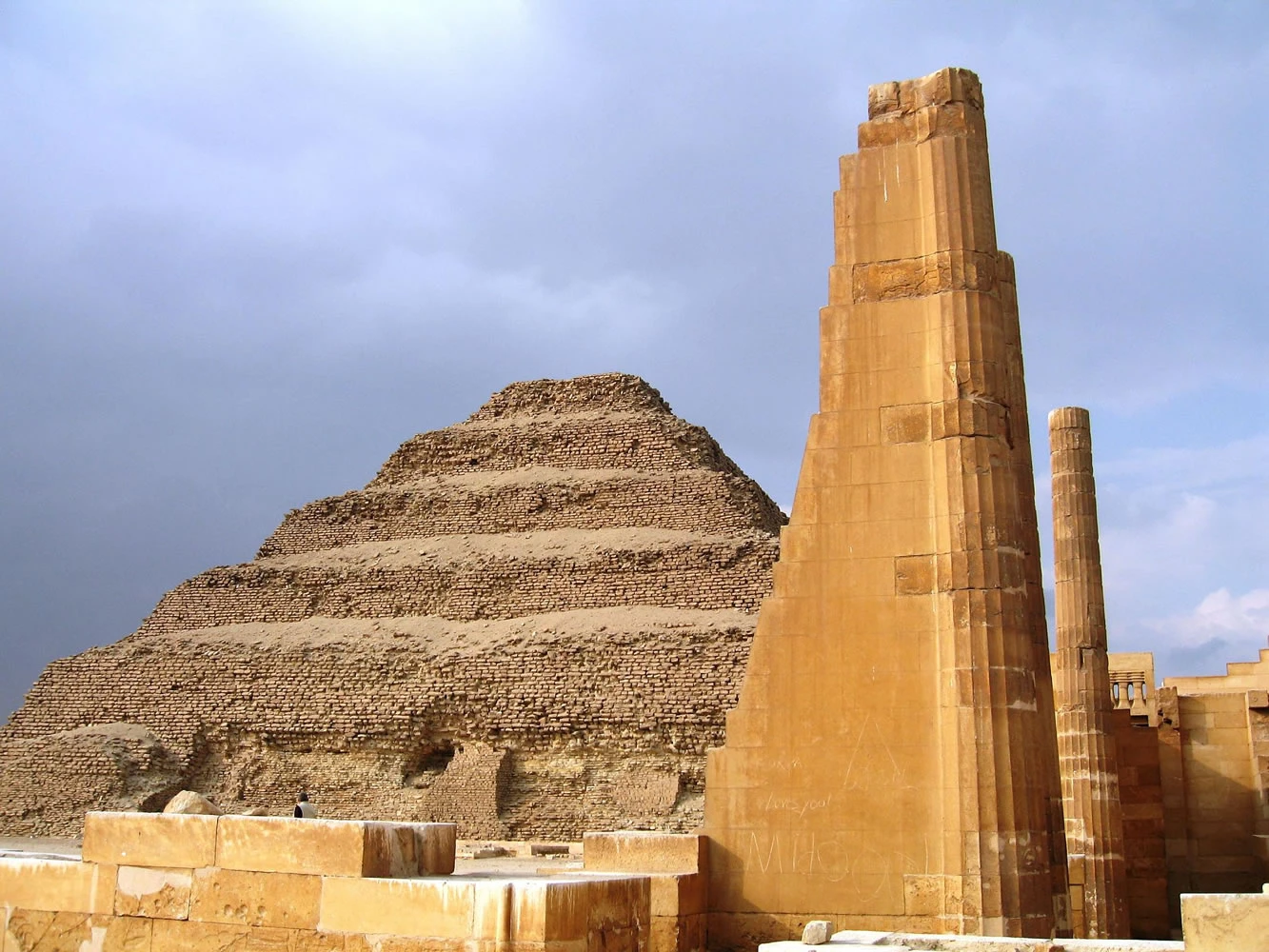
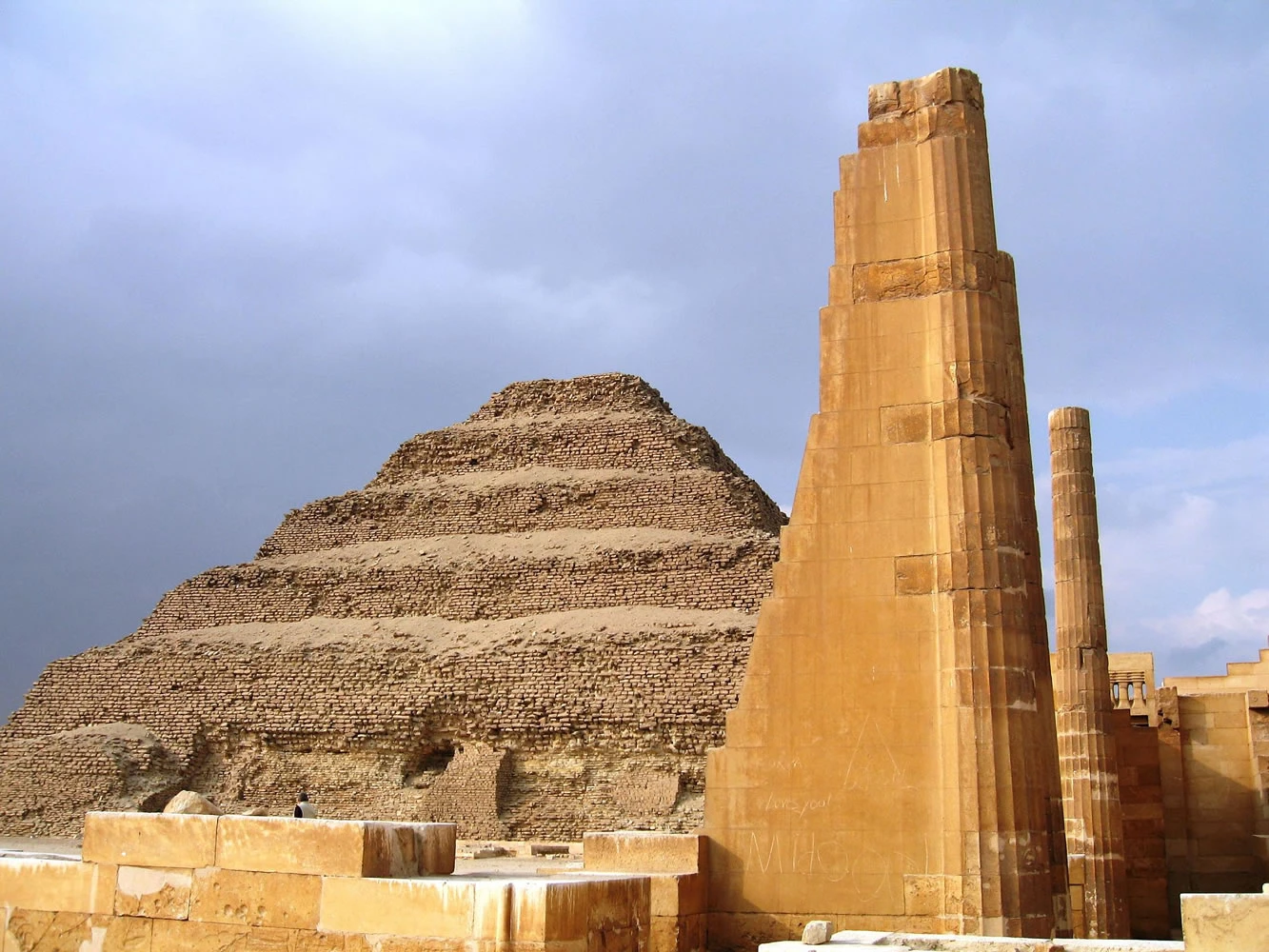
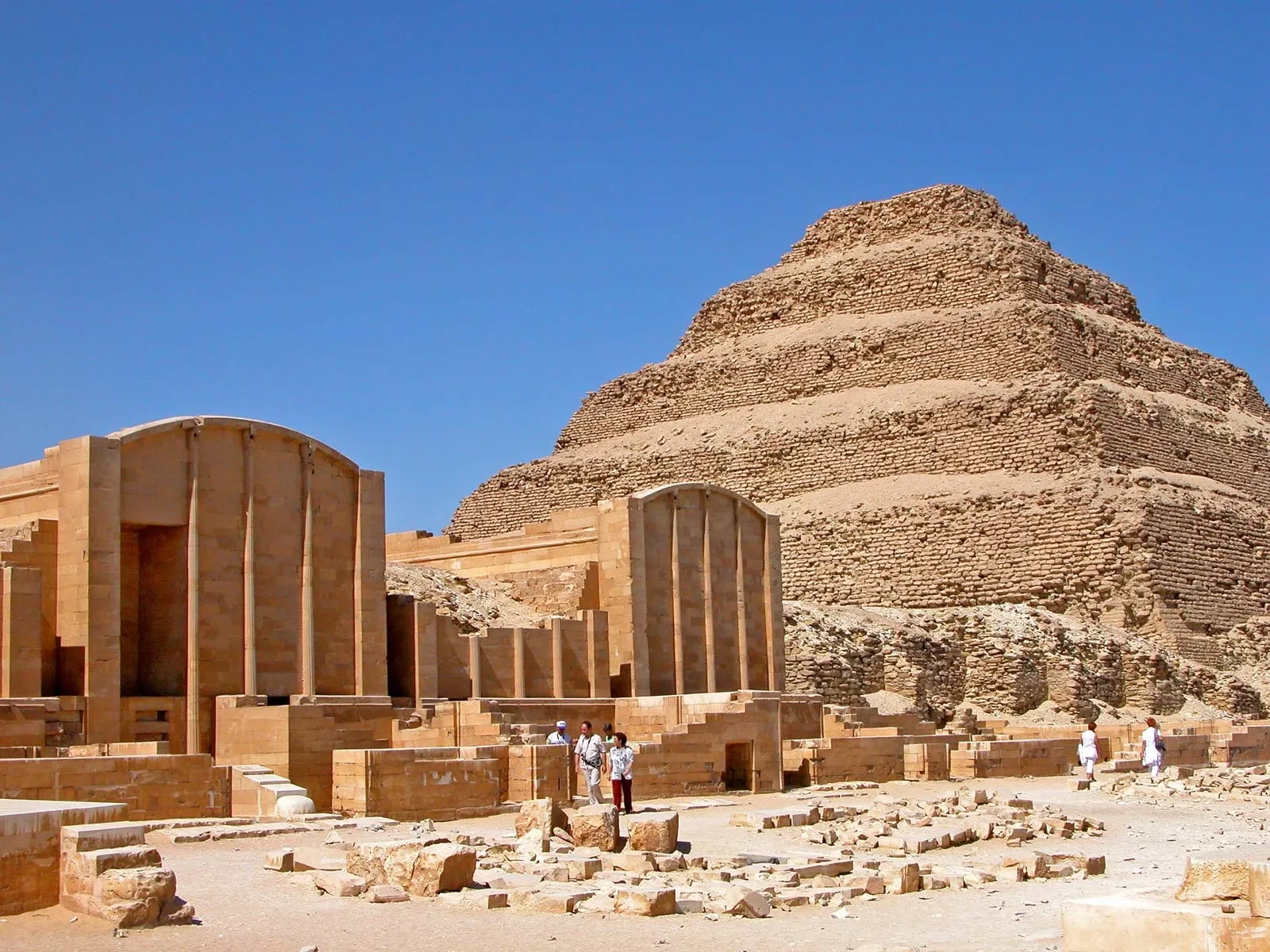
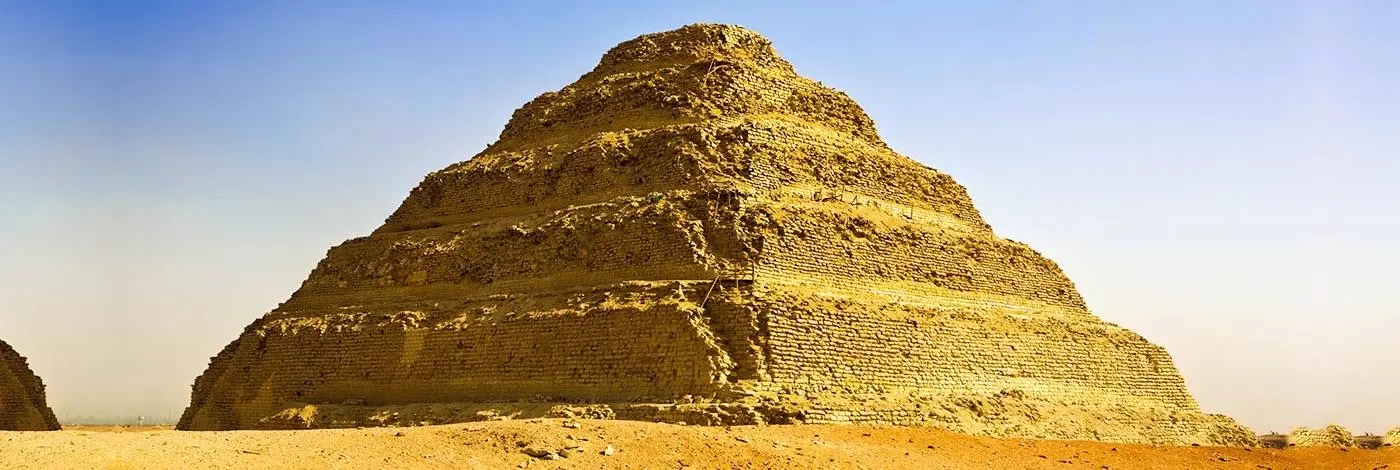
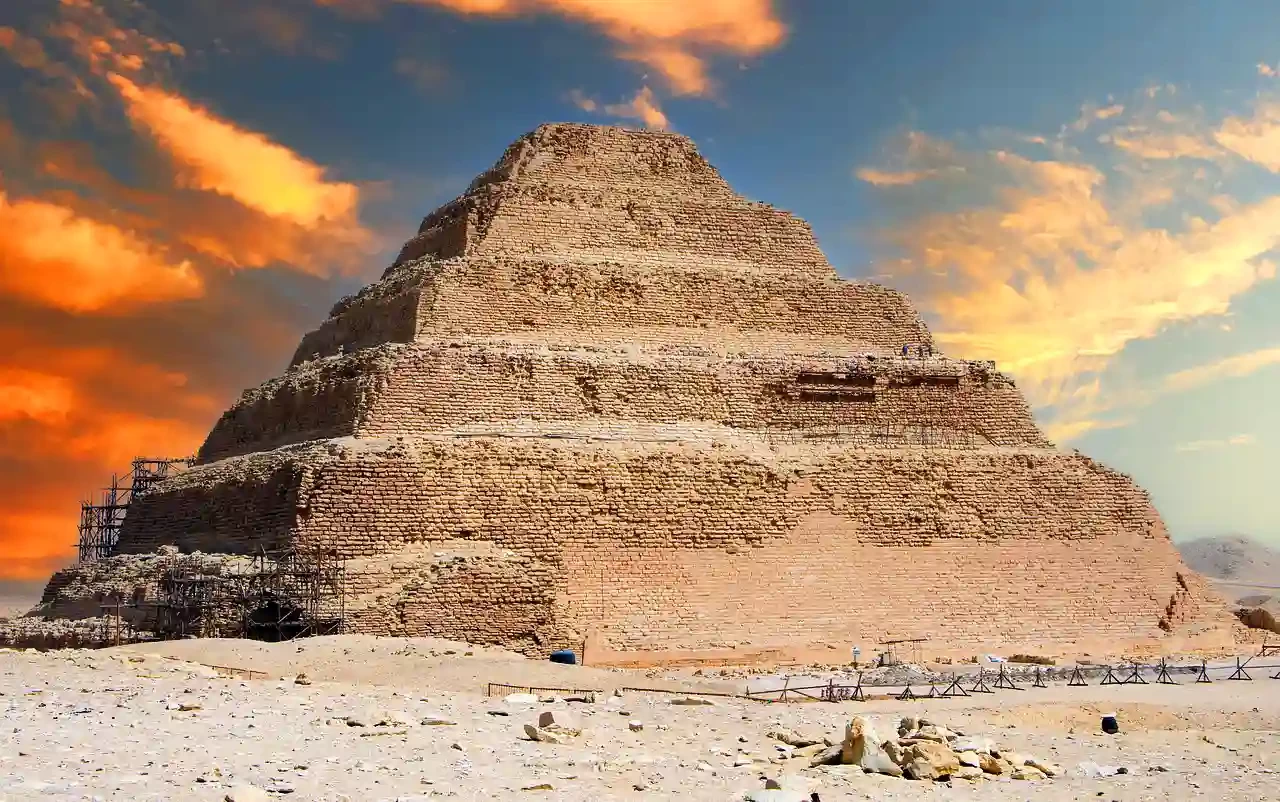
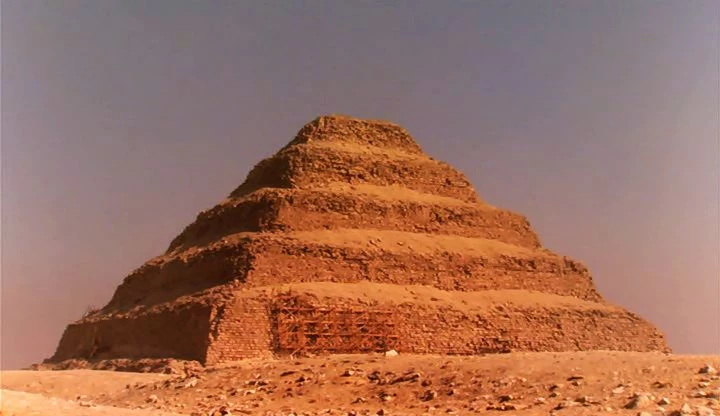
The most famous building is the Step Pyramid of Djoser, which is considered as the first stone monument constructed in the world as well as the first pyramid built in Egypt. Constructed in the 3rd dynasty, the building consists of six levels of different sizes above the ground.
Saqqara was created at the order of Imhotep, an architect, a priest, and an important official of the king's court. With his invention of the idea of using stones in funerary architecture, he made possible the creation of pyramids with smooth sides on the Giza Plateau in the future.
Nowadays, a visit to Saqqara gives people an opportunity to learn about the evolution of Egyptian architecture through visiting a monument.
Inside the Step Pyramid of Djoser's Revolutionary Design
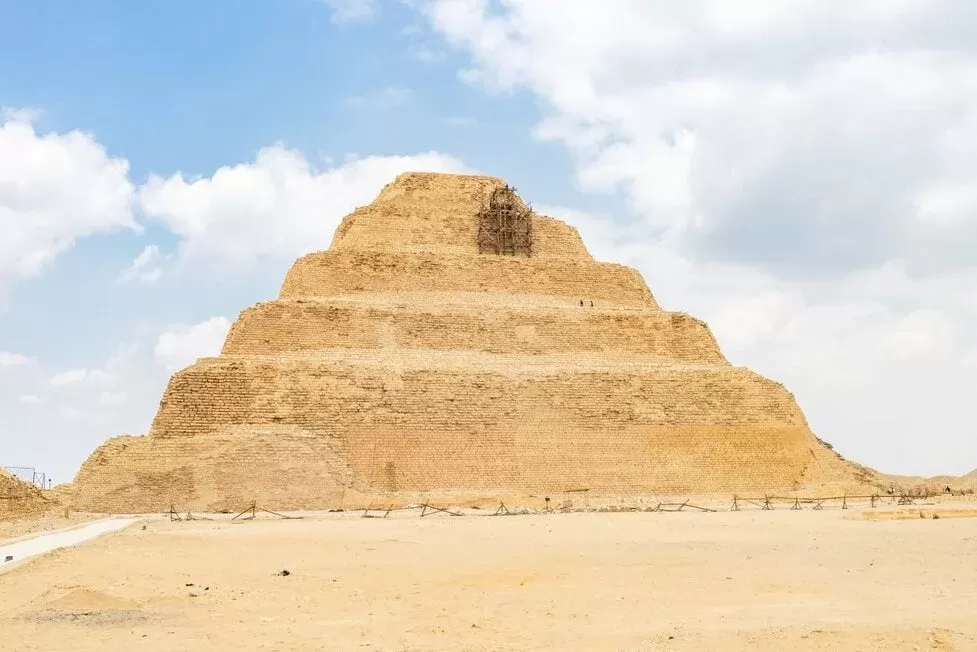
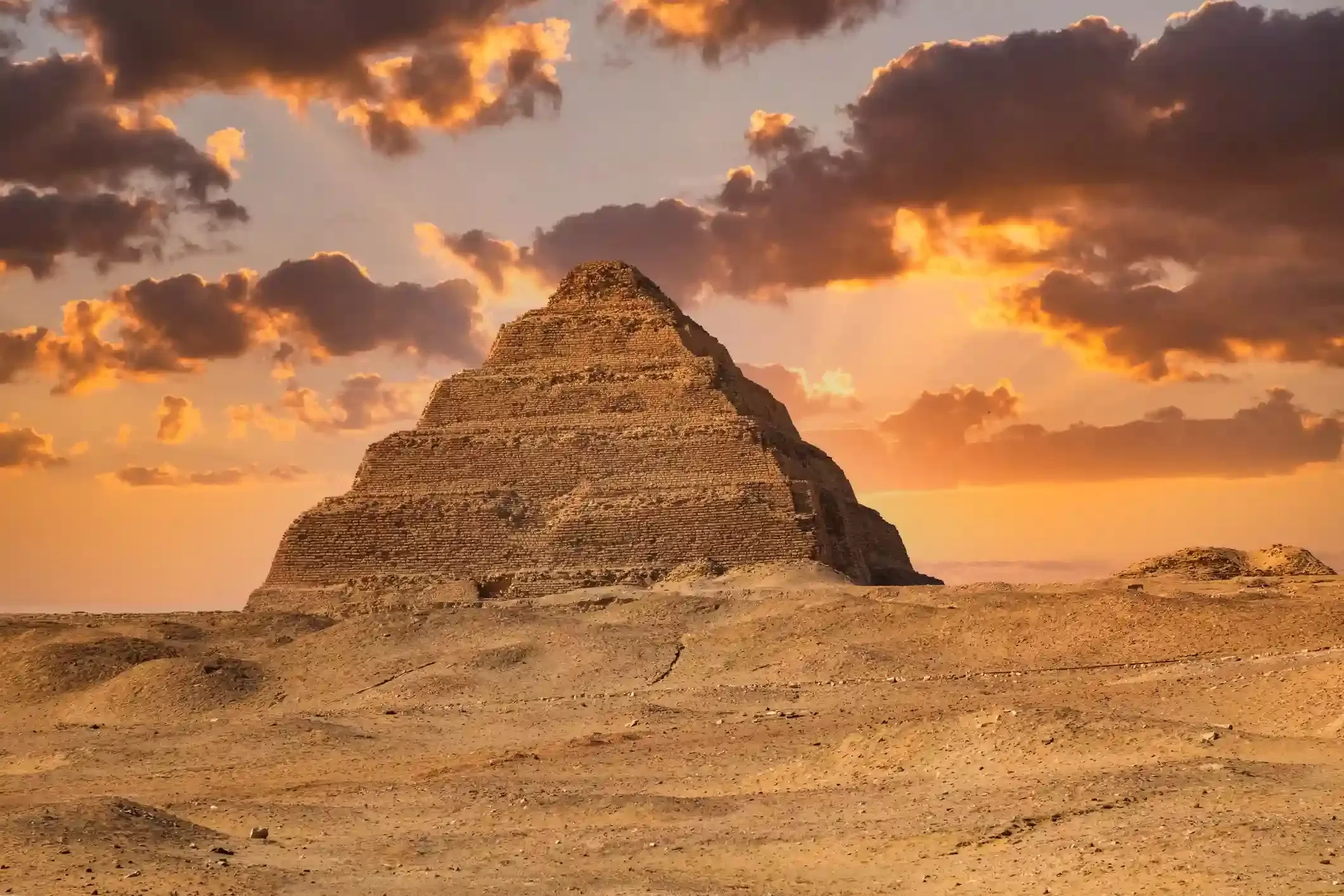
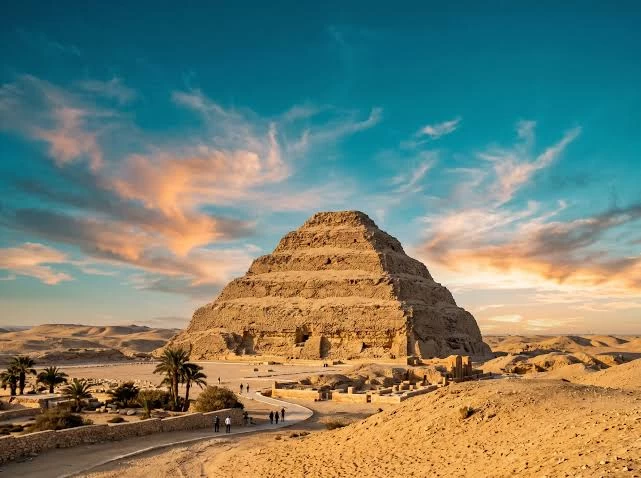
The Step Pyramid of Djoser is the most recognizable feature at Saqqara and one of the greatest architectural feats of the Old Kingdom period. Rather than the smooth-sided pyramids which Egypt is famous for, Djoser's pyramid rises in the form of six steps. This particular layout of the pyramid represents a very important stage in the evolution of its construction.
The Step Pyramid stood at the center of a far greater funerary complex, which included courts, chapels, various ritual and symbolic structures. The complex was meticulously designed to allow the king's passage into the afterlife as per Egyptian beliefs of the time.
The construction is believed to be the work of Imhotep, who is recognized as one of the first architects in the history of mankind. It should be noted that by choosing to build the complex in stone rather than mud and stone, Imhotep made a revolutionary change in the building methods used before.
Thus, it becomes obvious that the Step Pyramid reveals how architecture and religion were intertwined with each other, and how great importance was placed on royal power.
Tombs, Reliefs and Hidden Details Across Saqqara
Whereas the Step Pyramid gets most of the recognition, there are many other monuments in Saqqara. The necropolis of the area is full of tombs of officials and nobles who lived during various periods in Egyptian antiquity. Most of them have magnificent reliefs representing various aspects of agriculture, hunting, food preparation, rituals, etc.
The Tomb of Kagemni is especially interesting because of its reliefs of daily life. Similarly, the Mastaba of Ti is distinguished by wonderful reliefs of agriculture, fishing, livestock raising and crafts activities.
One more interesting feature of Saqqara necropolis is the Serapeum, a complex under the ground connected with Apis bulls which were considered sacred animals in Egypt.
All these features make Saqqara necropolis much richer place than it can be assumed from looking at the Step Pyramid only. They help travelers see other sides of Egyptian society through them.
Why Saqqara Matters More Than Just Another Pyramid Site
Saqqara is special because it tells the whole history of ancient Egypt in just one place. Even though the Step Pyramid is considered its main attraction, other tombs and structures built during other dynasties show how Egyptian burial rites and constructions evolved over many years.
There is yet another factor that makes this location historically significant. Since ancient Memphis was one of the most important cities in Egypt, Saqqara served as its necropolis. That is why there are so many structures on its territory.
Furthermore, there is the evolution of building technologies evident in this architecture. The Step Pyramid is one of the first attempts at pyramid construction, but Egyptians eventually developed their own version of it, which was much smoother – like at Giza or other locations.
That is why visiting Saqqara is also a way to get a bigger picture of ancient Egyptian pyramids. Instead of being limited by one wonder only, it is possible to get an understanding of gradual development of ideas and architectural forms.
From Saqqara to Memphis: Exploring the Ancient Capital
The benefit of taking a tour to Saqqara is that there are many other historical sites near Memphis, which a tourist can visit after exploring the necropolis. The visitor can then visit Memphis, the former capital of Egypt, to have a look at the statues located there.
Another place to add to the list is the Dahshur area, where one will find the Bent Pyramid and Red Pyramid. The two pyramids mark another step in the evolution of pyramids.
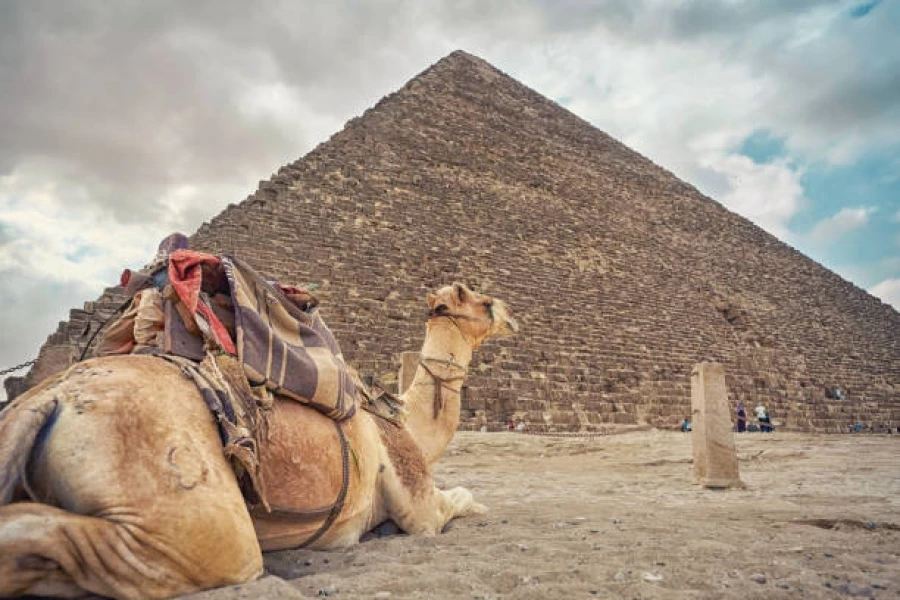
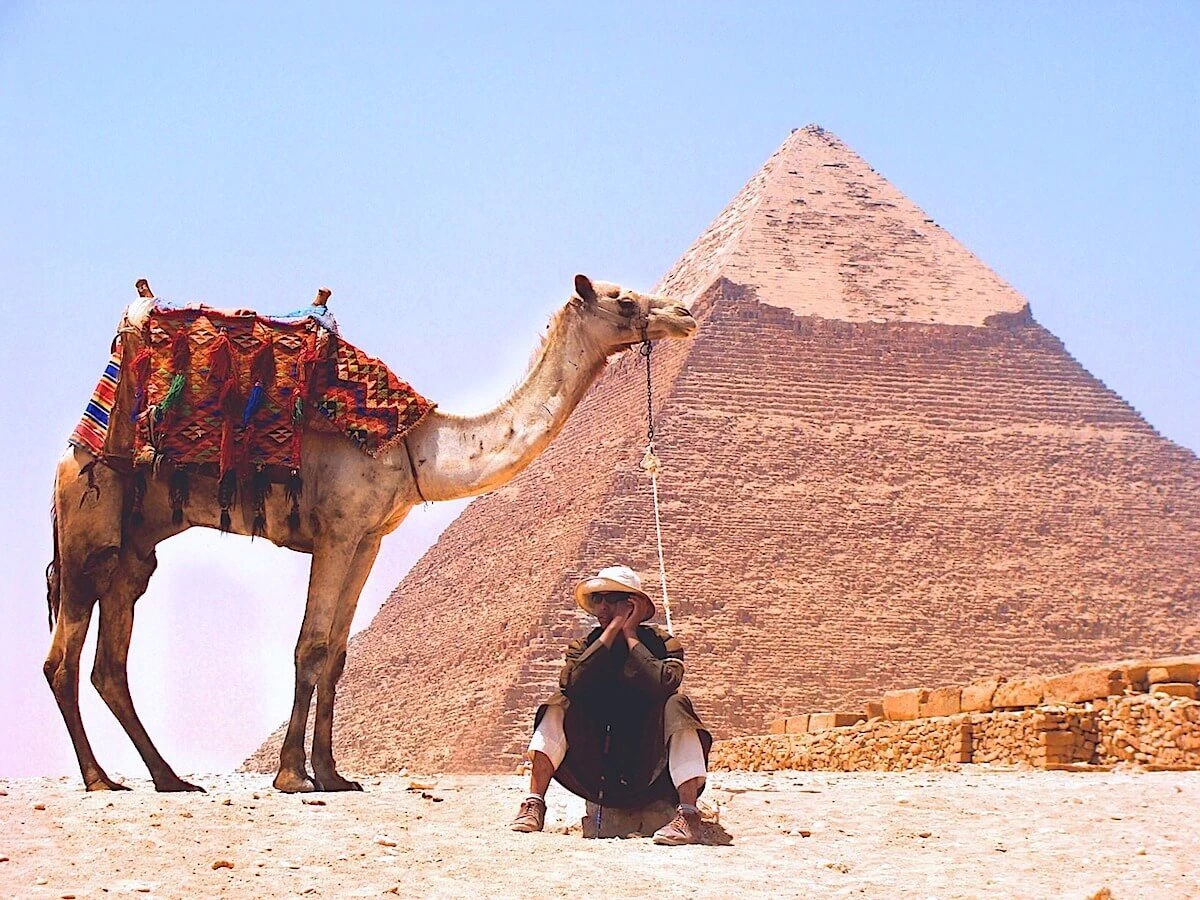
It would also be possible to connect the tour to the Giza Plateau to allow tourists to compare the Djoser Step Pyramid with the Great Pyramid and other monuments there. In each of these areas, the tourist will be able to see the development of architectural achievements in the ancient Egyptian era.
It could therefore serve to form an itinerary for Cairo tours, giving tourists a chance to explore Egypt's Old Kingdom sites.
-webp.webp "Cairo Day Tour to Saqqara and Memphis")