Sphinx of Giza: Discover Egypt’s Ancient Wonder
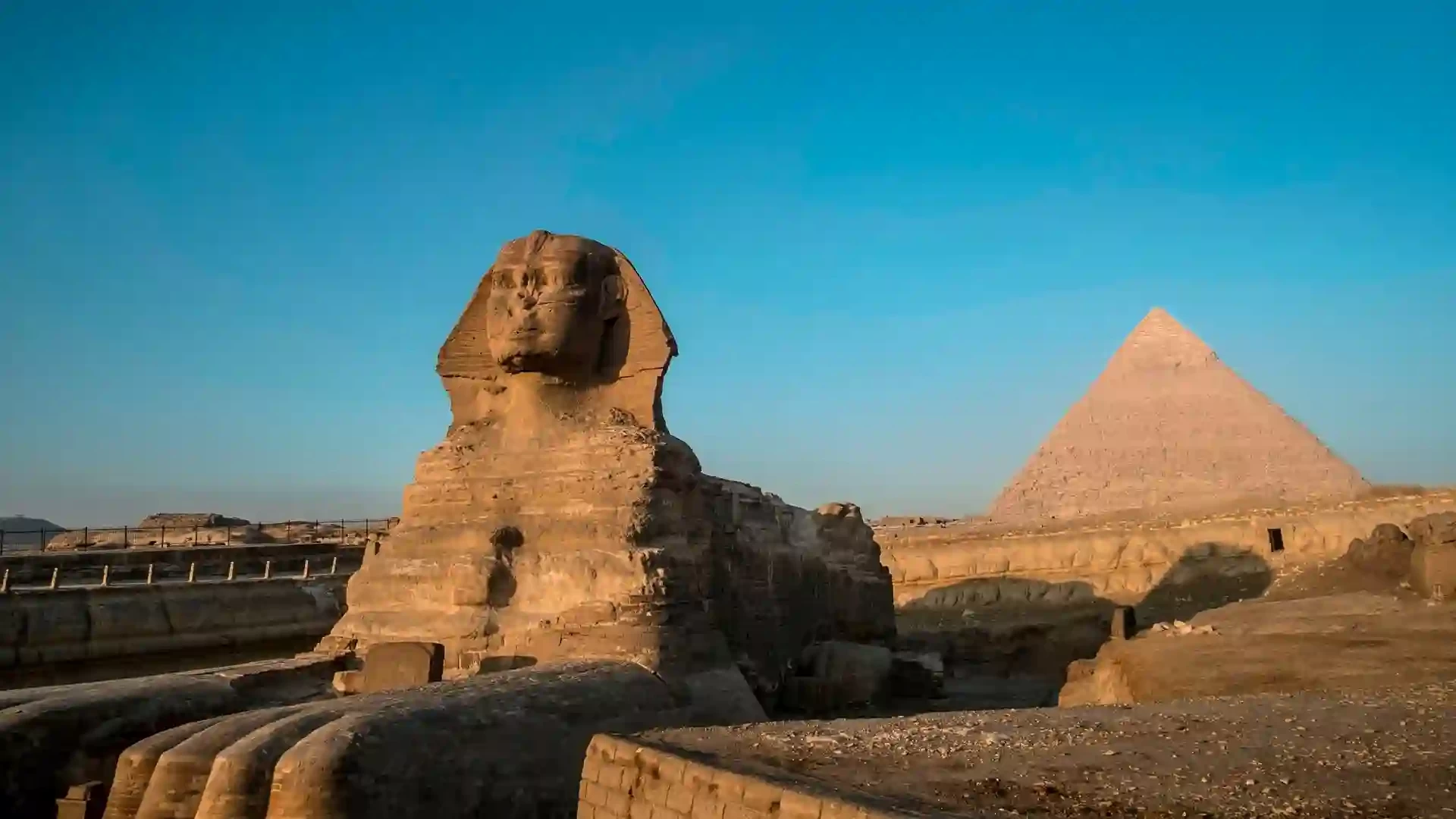
The Sphinx of Giza is one of those really recognizable monuments in Egypt, and it’s a must-see thing if your traveling in Cairo and Giza. It’s carved from limestone, and it has the body of a lion plus a human head. The Great Sphinx has been standing next to the Pyramids of Giza for thousands of years .
Lots of people connect it with Pharaoh Khafre. Even so, the Sphinx stays one of the most intriguing monuments of ancient Egypt. Its massive scale, the special-looking design, and that still somewhat mysterious past keep pulling in visitors from all over the world.
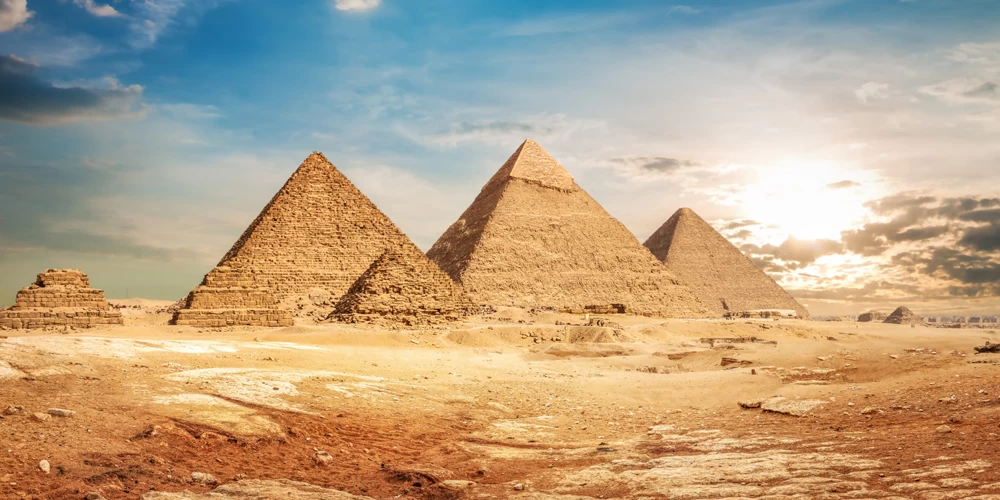
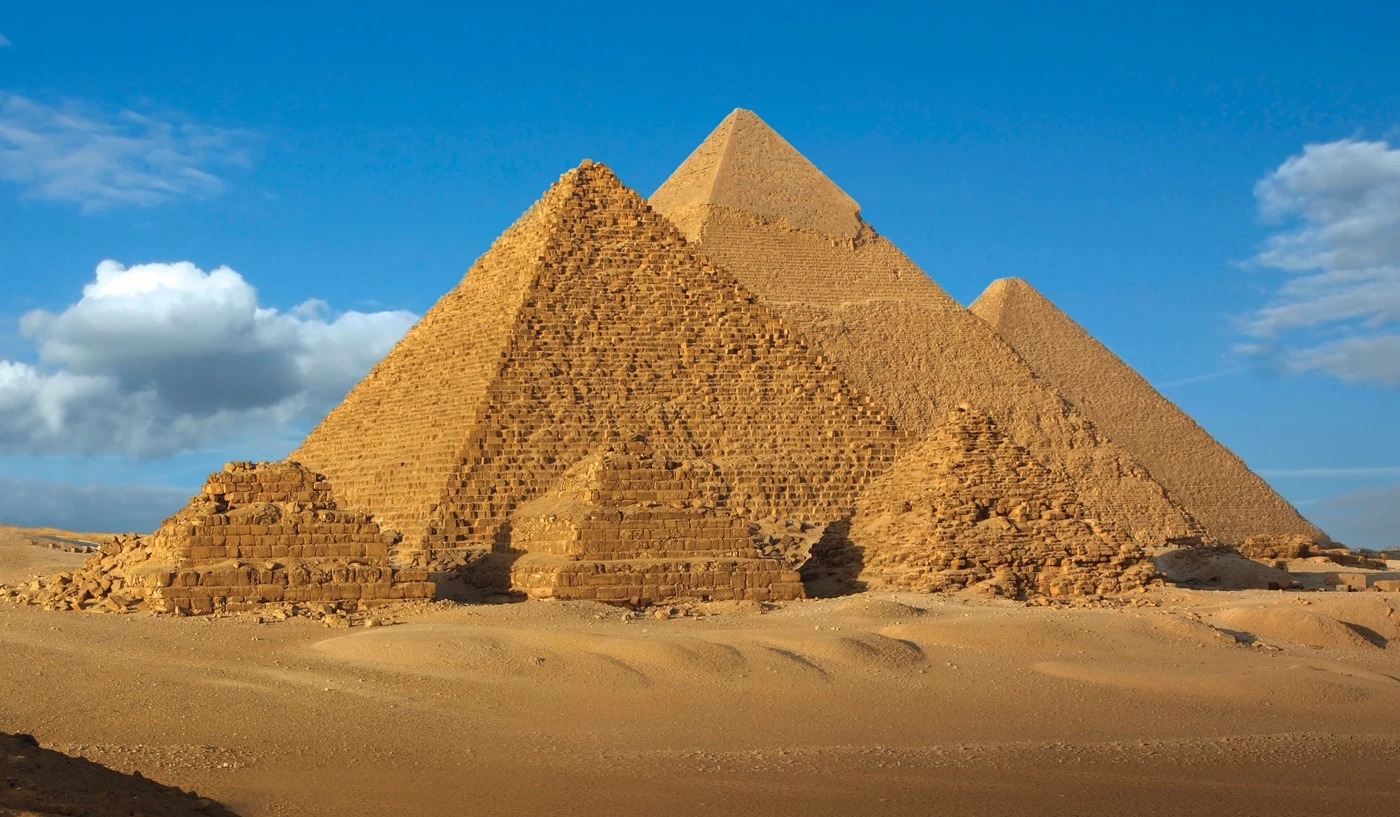
If you go see the Sphinx of Giza, you get to feel what ancient Egyptian heritage looks like up close, while you also explore nearby the Great Pyramid, the Pyramid of Khafre, and the Pyramid of Menkaure.A Cairo day tour is a convenient way to experience these iconic attractions in one memorable trip.
Sphinx of Giza: History, Facts, and Complete Visitor Guide
The Sphinx of Giza is one of the most famous monuments in Egypt, also one of the most recognizable symbols of ancient Egyptian civilization. Located on the Giza Plateau near Cairo and this huge limestone figure keeps pulling in travelers, historians, and archaeologists for centuries.
The Great Sphinx, with a lion body and a human head, the Great Sphinx represents the extraordinary artistic and architectural achievements of ancient Egypt. Because it is so closely tied to the pyramids, it becomes a necessary stop for anyone roaming around the Giza Plateau , even if you only have a short day.
What Is the Sphinx of Giza?
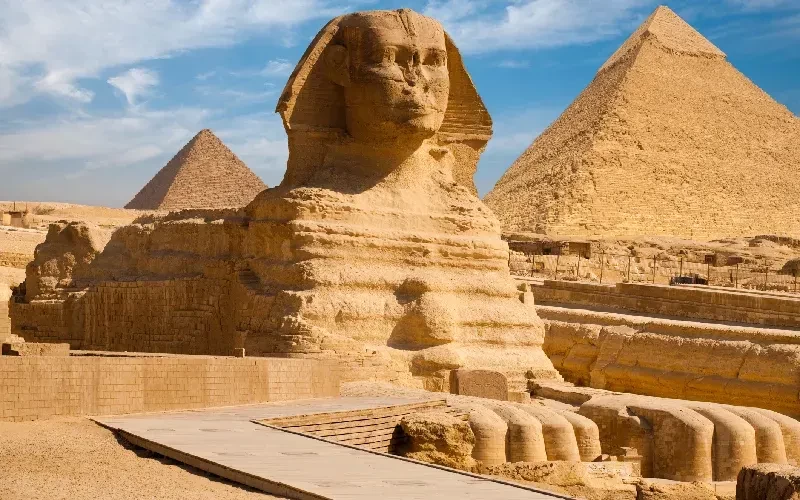
The Great Sphinx of Giza, is basically a huge limestone statue, it’s cut into the shape of a resting lion with a human head. A lot of people link it to the Fourth Dynasty pharaoh Khafre, whose pyramid stands nearby.
This monument is carved out of the natural limestone bedrock on the Giza Plateau and is among the largest and most iconic sculptures from the ancient world.
The combination of a lion's body and a human head is thought to symbolize strength, power, intelligence, and royal authority. Lions were associated with protection and strength in ancient Egyptian culture, while the human face represented the ruler and his connection to divine power.
The Sphinx measures approximately 73 meters (240 feet) long, and it rises about 20 meters (66 feet) high, so even far off it still looks dramatic. Even with all the long time of weathering, erosion, and repeated restoration work, a lot of the monument is still easy to recognize today.
One of the most stand out things about the Sphinx is , its missing nose. Lots of tales have grown up about how it got damaged, but the old evidence points the other way , the nose was already gone before Napoleons expedition to Egypt.
Now, the Sphinx of Giza is among Egypt’s top visited stops. Visitors can look at it from different angles, and many people also pair the outing with the nearby Great Pyramid, the Pyramid of Khafre, the Pyramid of Menkaure , and a range of other digs and archaeological remains on the Giza Plateau.
Visiting the Sphinx provides more than a chance to see an iconic landmark. It offers travelers an opportunity to experience firsthand the extraordinary craftsmanship, beliefs, and architectural achievements of ancient Egyptian civilization.
Where Is the Sphinx of Giza Located?
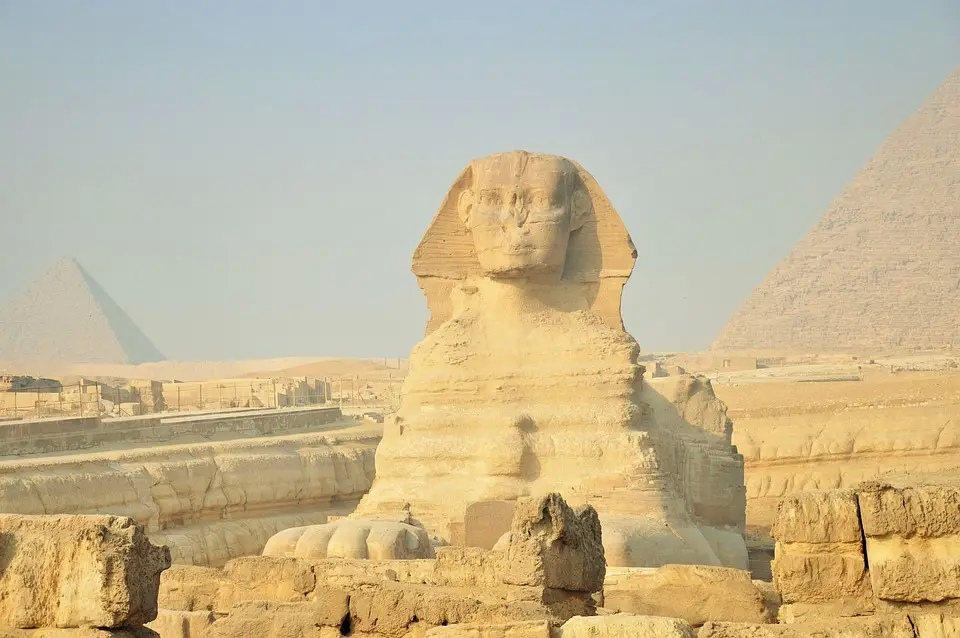
You’ll find the Sphinx on the Giza Plateau, just outside modern Cairo. It stands close to the Pyramid of Khafre, and alongside the other major pyramids at Giza.
Because the spot is pretty convenient , visitors can slide the Sphinx into a day trip. Usually that day includes the Great Pyramid of Giza, the Pyramid of Khafre, and the Pyramid of Menkaure.
How Old Is the Great Sphinx of Giza?
The Great Sphinx is usually put in the Fourth Dynasty of ancient Egypt, give or take, around the 26th century BC. So, it kind of means its making happened during the time when the major pyramids on the Giza Plateau were being built.
Because it has lasted for thousands of years makes the Sphinx one of the world's most remarkable ancient monuments.
What Does the Sphinx Represent?
The Sphinx kinda brings together the body of a lion with the head of a person, this overall design is meant to signal strength, authority, and a kind of royal power that feels obvious even now.
In ancient Egyptian culture lions were linked with defense and powerful force, while a human head could stand in for the ruler. Put together, it forms a striking figure tied to kingship, and also something like divine authority.
The Missing Nose of the Sphinx
One of the most recognizable features of the Sphinx today is its missing nose. The damage occurred centuries ago, but the exact circumstances remain uncertain.
There’s a well known story that says Napoleon’s soldiers destroyed the nose, but the historical evidence never really backs that up. In fact , drawings made before Napoleon’s Egyptian campaign already depict the Sphinx without its nose.
Because of that, the missing nose has gradually turned into one of the most talked about mysteries, around the whole monument.
What Can You See at the Sphinx?
A visit to the Sphinx of Giza is more than simply seeing the famous statue. The surrounding place is part of the historic Giza Plateau and offers visitors the chance to explore ancient temples, admire the nearby pyramids, and catch spectacular views across one of Egypt’s most important archaeological landscapes.
The Great Sphinx
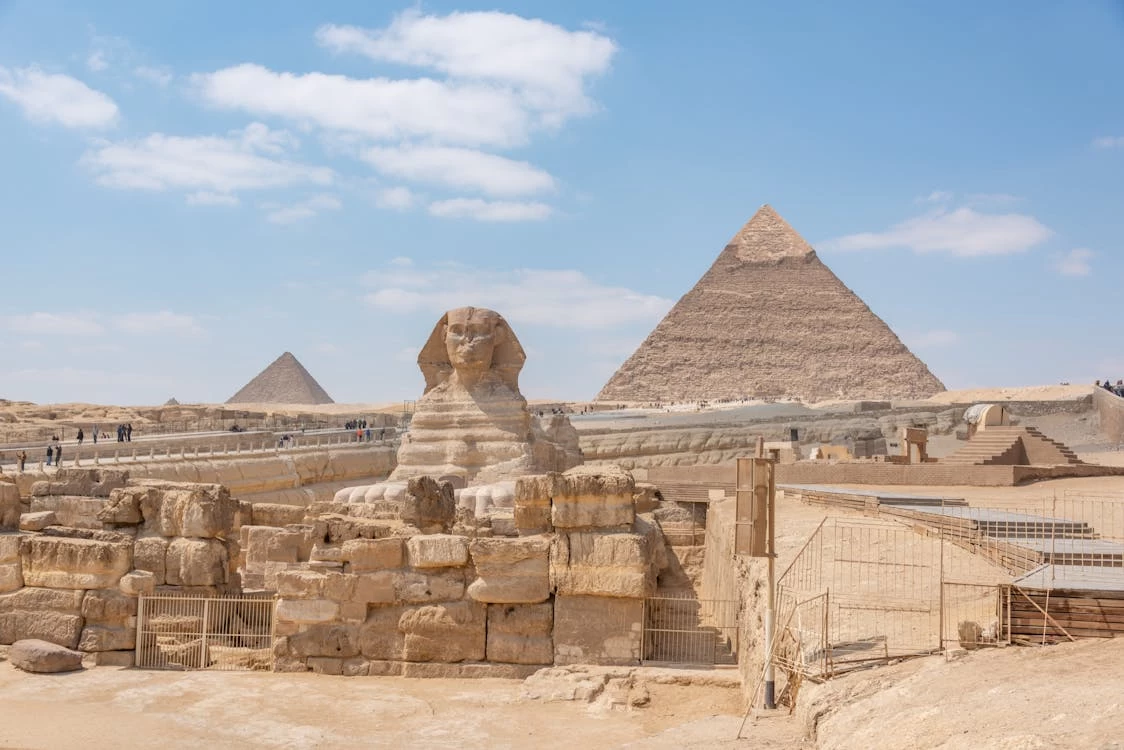
the Great Sphinx of Giza is the main attraction and one of the most impressive ancient monuments in Egypt. This massive limestone figure shows a reclining lion with a human head, it also hints at the real skill of ancient Egyptian builders, artistic as well as architectural, even today.
Visitors can view the Sphinx from different angles, allowing them to appreciate its enormous size, detailed features, and distinctive shape. The front view is particularly impressive, while views from the side provide a better sense of the monument's extraordinary length.
the Sphinx is one of the more popular photography spots on the Giza Plateau. Travelers often try to get those memorable shots with the monument, and the pyramids behind it, kind of dramatic and wide.
Sphinx Temple
Right in front of the Great Sphinx you’ll find the Sphinx Temple. It’s an ancient structure , believed to have been tied into the religious and funerary complex connected with Pharaoh Khafre.
Even though a lot of the temple has been damaged after thousands of years, the big limestone blocks and remaining foundations provide an idea of the scale of ancient Egyptian construction.
If you walk around the temple, visitors can get a sense of how tightly the Sphinx was woven into the nearby sacred environment. The temple area also gives interesting viewpoints back toward the Sphinx itself, along with a look near the Pyramid of Khafre.
Pyramid of Khafre
The Pyramid of Khafre is sitiuated close to the Sphinx, and it’s one of the most recognizable pyramids on the Giza Plateau. It’s the second-largest of the three main pyramids at Giza, and is particularly famous for the remaining smooth casing stones near its summit.
What makes the whole scene feel important is how tightly the pyramid, the Sphinx, and nearby temples are connected, so this zone really helps you understand royal architecture in ancient Egypt .
If you’re visiting , you can catch nice sightlines of the Pyramid of Khafre from around the Sphinx , and you can also see both monuments in the same outing , without much extra travel.
The Great Pyramid of Giza
The Great Pyramid of Giza , which is also called the Pyramid of Khufu, is another big stop that can fit into the same trip.
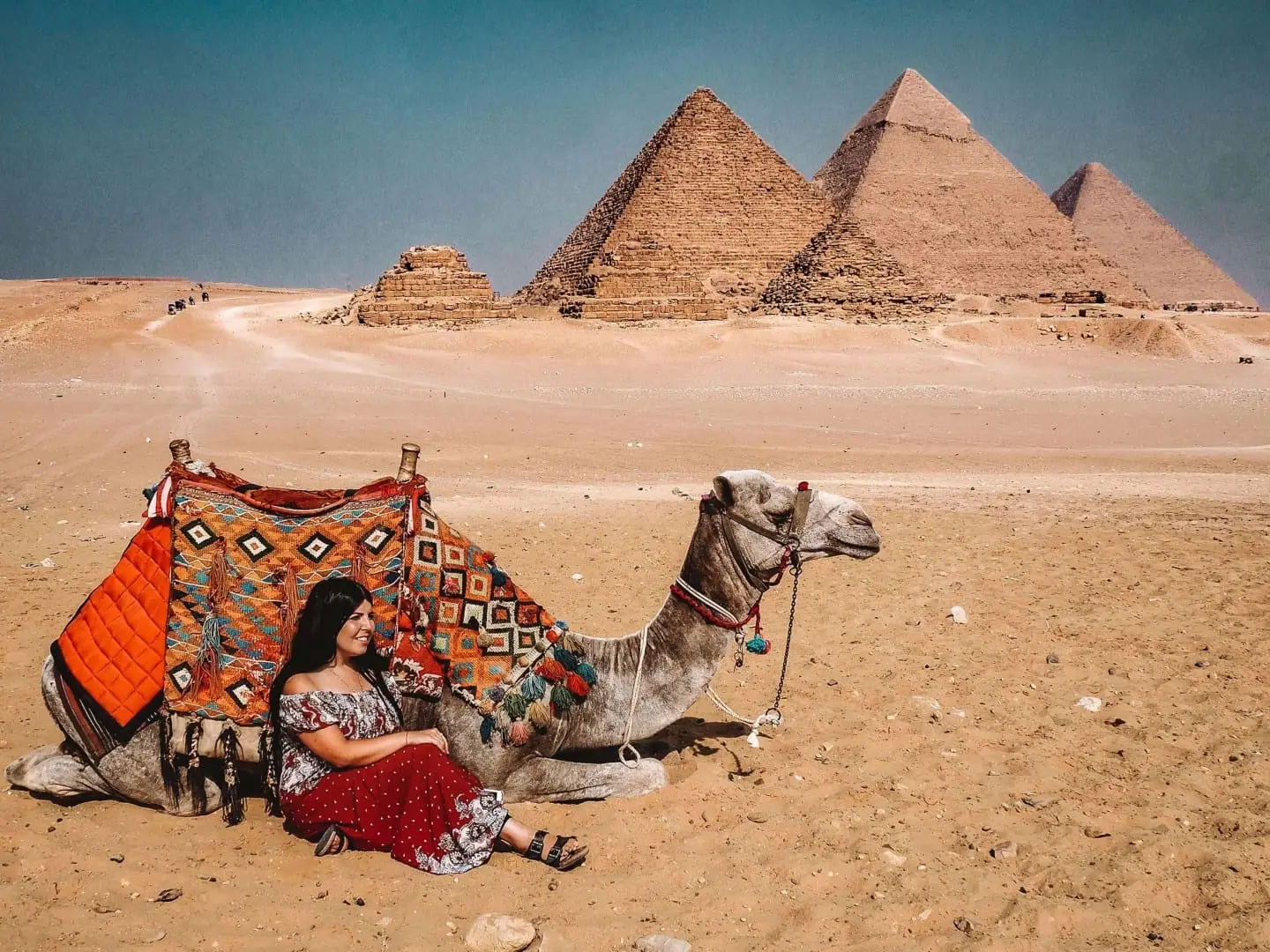
Since it’s the largest of the three main pyramids, it sort of towers over the skyline and works as a dramatic background, especially for photos from the Sphinx area. Seeing the Great Pyramid together with the Sphinx helps visitors grasp the sheer size and the wider ancient Giza complex, in a more immediate way .
Best Time to Visit the Sphinx of Giza
The best time to explore the Sphinx is mostly going to depend on the season and your preference for weather and crowds. If you go in the early morning, you usually get cooler temperatures, plus softer light for photos, so it feels calmer overall.
In the warmer months, visiting earlier in the day can make walking around the Giza Plateau more comfortable.
Also make sure you check the most current opening hours and visitor details before you set out, because things can change.
Table of Contents
- 1- Sphinx of Giza: History, Facts, and Complete Visitor Guide
- 2- What Is the Sphinx of Giza?
- 3- Where Is the Sphinx of Giza Located?
- 4- How Old Is the Great Sphinx of Giza?
- 5- What Does the Sphinx Represent?
- 6- The Missing Nose of the Sphinx
- 7- What Can You See at the Sphinx?
- 8- Best Time to Visit the Sphinx of Giza